
Corus International DRC Ebola Response Trains 3,200+ Health Workers and Strengthens Infection Control at 400 High-Risk Health Facilities
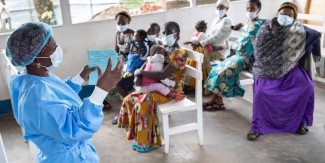
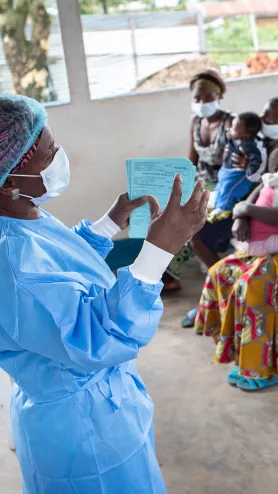
Nurse Kavuo Godelive speaks to a group of pregnant women in the antenatal clinic in Kalongo, Beni, North Kivu. (Sean Hawkey for Corus)
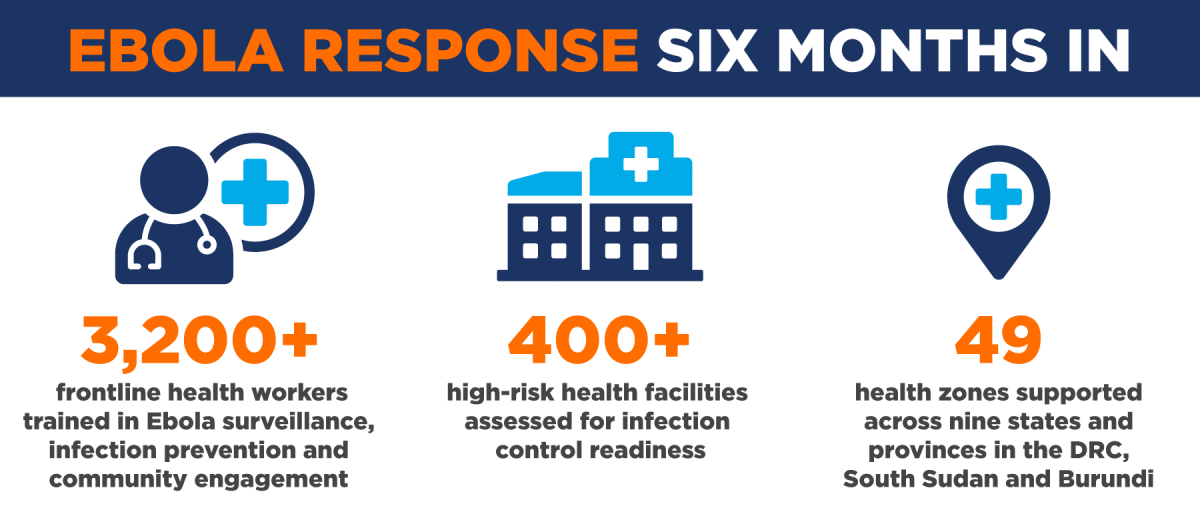
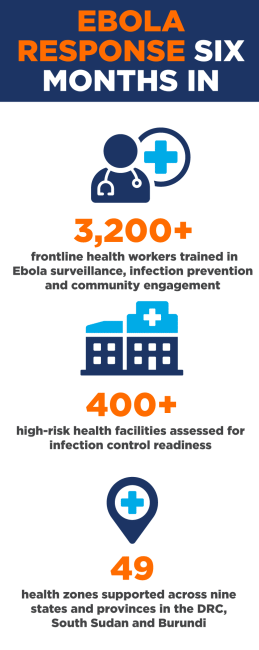
When Ebola resurfaced in the Democratic Republic of the Congo this spring, it arrived as a strain with no vaccine and no treatment. Six months on, there is still no vaccine, and a coordinated rapid-response system is holding the line. It includes more than 3,200 frontline health workers trained in infection prevention and control, stronger safeguards at 400 high-risk health facilities, and steady community engagement on the ground.
"This is becoming the world's largest, deadliest and most concerning outbreak of Ebola in history," says Dr. William "Bill" Clemmer, Senior Advisor for Health Programs at Corus International. "No global outbreak has ever been this large at this mark."
A doctor who has seen this before
Dr. Clemmer has spent more than three decades caring for people in fragile places. He began as a clinician and hospital director in Haiti and in what was then Zaire. He then went on to lead IMA World Health programs across the DRC and beyond. Today he is based in Goma, close to the heart of the outbreak.
"This is the fourth outbreak that I have been part of," he says. "The first one was in 1995." During the 2018–2020 outbreak, he led IMA's Ebola response from Beni, the epicenter. There, he guided more than 1,000 clinical and outreach workers through violence and deep distrust.
He knows what Congolese families have endured. "People in the DRC have lived through tragedy after tragedy," he says. "Civil war, ethnic war, poverty, earthquakes, flooding, Ebola."
Ebola response at six months: why this outbreak is different
As of early November, there have been nearly 11,000 reported cases. It is the fastest-growing Ebola outbreak on record and is poised to become the largest. The cause is the Bundibugyo virus, which has no approved vaccine or treatment.
"During the previous outbreaks, we had a vaccine that worked. We had a treatment that was fairly effective, and we had really strong contact tracing," Bill says. "This is a different virus. The tools we have are not as effective, and it is spreading."
Some infected people feel well for two to three weeks while still passing the virus on. Health teams are seeing 30 to 40 new cases a day. For nearly 80% of cases, no one knows where the infection began.
The Corus response is funded through a $27 million U.S. Department of State program and works alongside national and provincial health authorities. It focuses on three goals:
- Containing transmission
- Protecting frontline health workers
- Sustaining essential health services
- Keeping health facilities safe and open
With no vaccine, the strongest defense is stopping Ebola, where it can spread fastest: inside health facilities. Each facility receives an infection prevention and control (IPC) assessment. The assessment covers personal protective equipment (PPE) supplies, waste management, patient triage and daily infection prevention practices. Staff then get a prioritized list of corrective actions, so they know exactly what to fix first. The program also supplies PPE, supports safe waste management and patient handling, and strengthens isolation capacity for suspected and confirmed cases.
Protecting health workers reduces facility-based transmission. It also keeps clinics open for maternal and newborn care, malaria treatment, childhood immunization and routine care. When outbreaks force clinics to close, deaths rise well beyond Ebola itself. A mother still needs a safe place to give birth, and a child with malaria still needs treatment.
Surveillance and contact tracing: one call can save a life
Christivie Mulonda was 5 years old when Ebola reached her home in Beni during the last outbreak. Her mother and aunt thought their symptoms were malaria. Two contact tracers from PPSSP, a local faith-based partner of IMA, recognized the signs and called for help. A Ministry of Health ambulance rushed the family to a stabilization center.
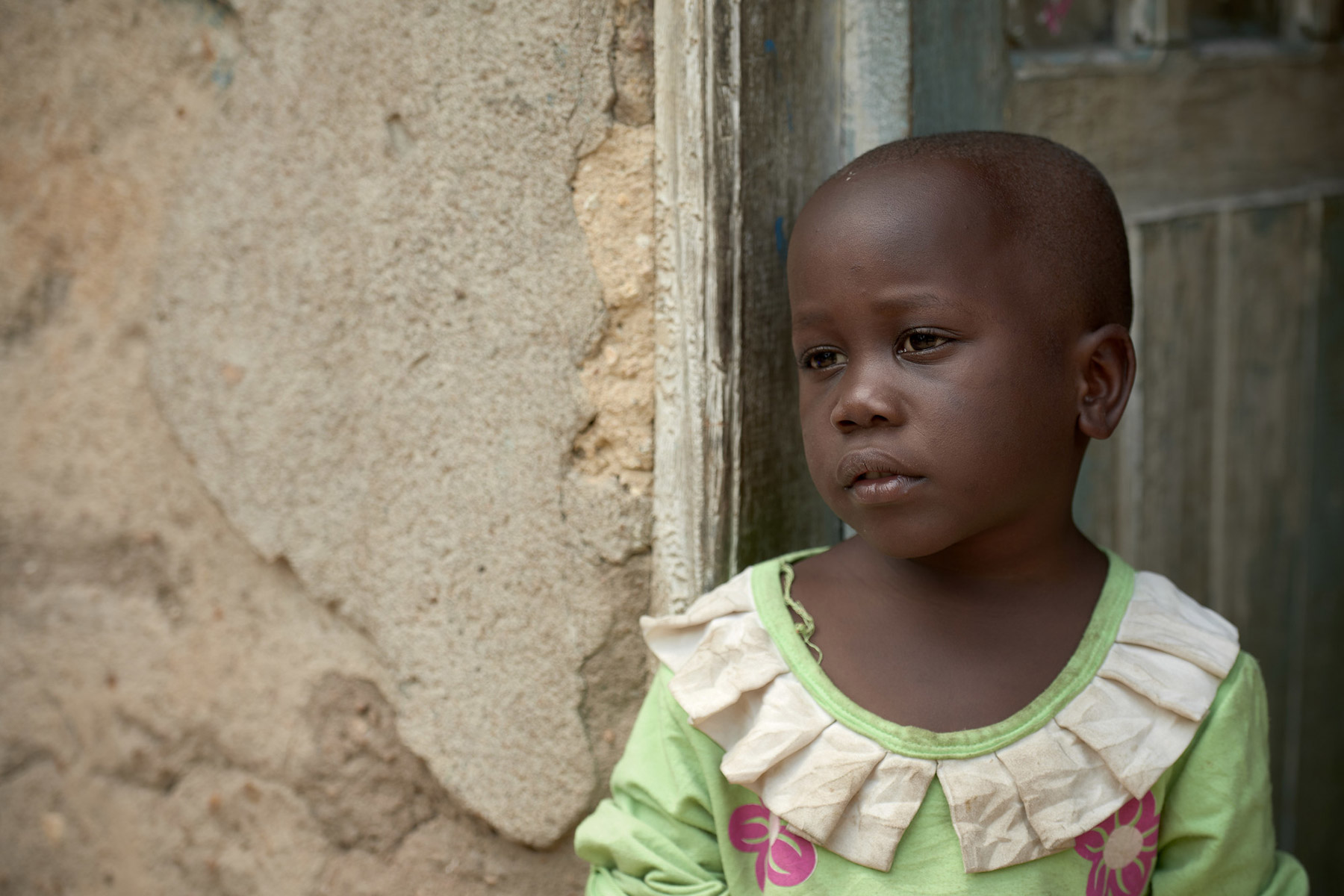
Ebola took Christivie's mother, aunt, cousin, and older sibling. But swift action saved Christivie and two of her siblings.
Her story shows why surveillance matters. A single missed case can start a new chain of infection. Today's response strengthens case monitoring, contact tracing and information-sharing across health zones, so teams can spot cases sooner. Every activity is aligned with the Ministry of Health and international partners.
This work builds on more than a decade of investment. IMA led the consortium that moved the DRC onto DHIS2, the national digital platform health facilities use for routine reporting, and completed the rollout in 2015. That effort trained thousands of health workers and data staff. IMA still supports data management at the zone, provincial and national levels. Trained people and reliable reporting turn an alert from a single clinic into swift, coordinated action.
Community engagement: trust as a containment tool
Without medical countermeasures, community behavior decides whether cases are reported early, contacts are traced and patients seek care. Fear, stigma and misinformation slow all three.
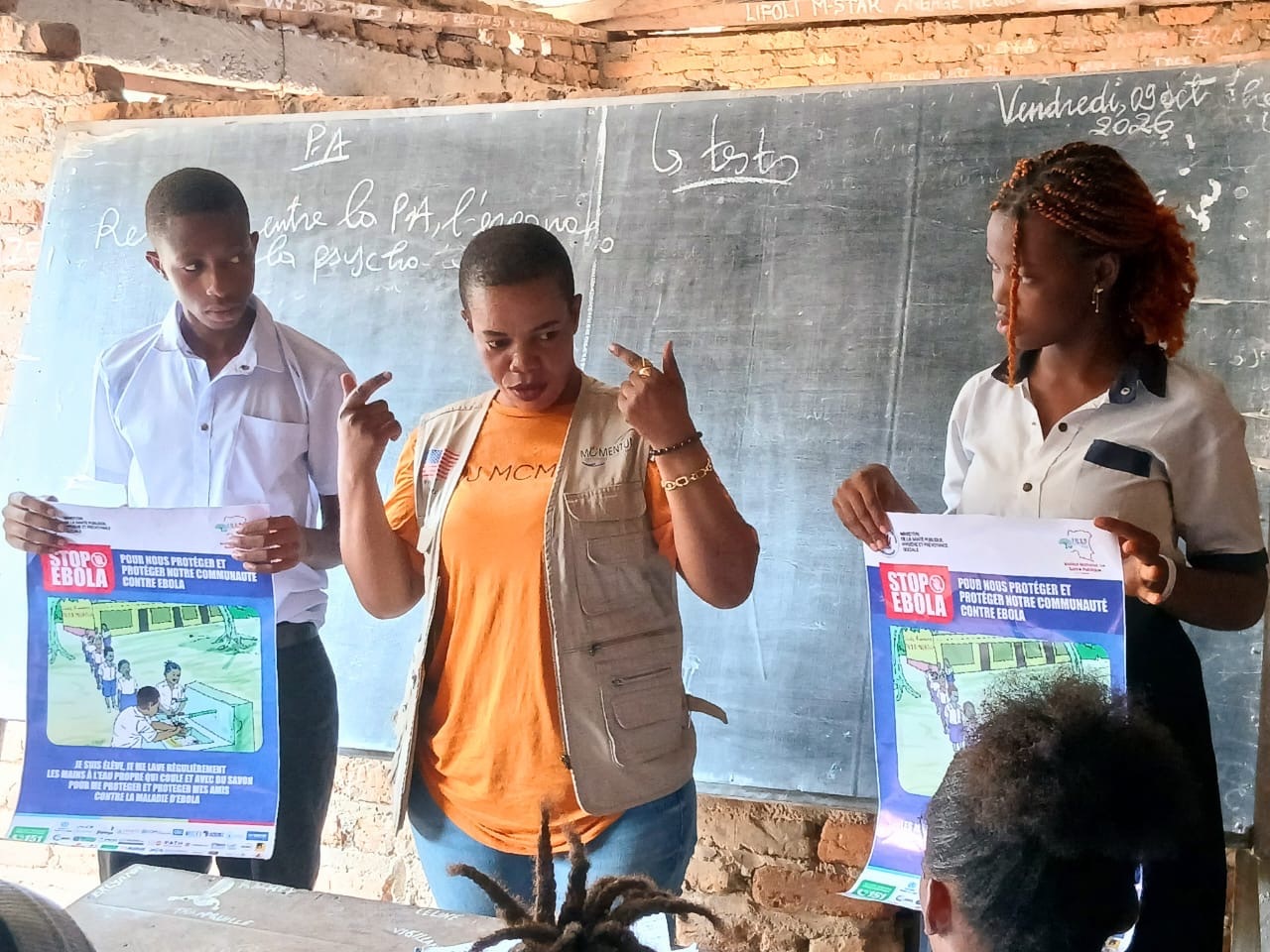
Ebola education materials are helping to counter misinformation as part of the response. Local, traditional, and faith leaders share culturally appropriate messages and are trained to recognize symptoms and raise the alarm. Partnerships with content creators have also carried accurate health information to more than 4 million people across eastern DRC.
"We don't have a vaccine. We don't have a treatment. But we know how to talk to the population," Bill says. "We work through national partners and faith-based partners, and because of that we're trusted, and we're known."
That trust is the response's greatest strength. "Even if we don't have a vaccine, even if we don't have a treatment, we have the population working with us," he says. "They're listening. They're hearing."
Supporting recovery and affected households
Surviving Ebola is only the beginning. After Christivie's family was struck, an uncle and aunt traveled from Goma to care for her, and neighbors began to avoid their home. "Even other family members didn't come to the funerals we had for them," her uncle, Maurice, said. "We feel abandoned."
Today's response works to make sure no family faces that alone. Patients leaving treatment centers often return to homes where bedding and household items must be replaced. Through Corus International's in-kind distribution program, a shipping container of bedding, personal care and school supplies arrived in Goma in September. Two more containers are expected by mid-December. The program also provides psychosocial and mental health support for health workers, affected families and people in quarantine.
Hope that endures
IMA has worked in the DRC for more than 25 years and was already supporting 28 health zones when the outbreak began. That long presence allowed it to act quickly when national capacity was stretched. Conflict, displacement and the lack of a vaccine make this one of the most complex Ebola responses on record. In the coming months, teams will extend IPC support to more facilities and strengthen contact tracing. They will also sustain the community networks that make early detection possible.
The people closest to this work refuse to lose heart. "We're hopeful. We're optimistic," Bill says. "We're thankful for donors and for all of our partners."
Every trained health worker, every safe clinic and every trusted voice brings this outbreak closer to its end. As Bill puts it: "Our goals are not just to contain the virus, but to bring assurance, relief and hope. People in the DRC have not given up hope."